
How to Sell a House As-Is When It Needs Repairs
Selling a home can be challenging, especially when it needs repairs. However, selling “as-is” is a viable option for homeowners who don’t have the time, money, or desire to make fixes before listing. This guide will walk you through how to sell your house as-is, while still attracting buyers and getting a fair price.
1. Understand What “As-Is” Really Means
When selling a house as-is, you’re telling potential buyers that you won’t be making any repairs or improvements before the sale. Buyers will purchase the home in its current condition, including any defects or needed repairs. While this can appeal to investors or bargain hunters, it’s essential to understand that most buyers will expect a discount in exchange for the added cost and effort of making repairs.
2. Be Transparent About the Condition
Full disclosure is key when selling a house as-is. Be upfront about any major issues the home has, whether it’s a leaky roof, plumbing problems, or outdated electrical systems. Being honest about the property’s condition will build trust with buyers and reduce the risk of deals falling through later. Provide potential buyers with a pre-listing inspection report if possible, as it will give them a clearer picture of what to expect.
3. Set the Right Price
Pricing is crucial when selling a home as-is. You’ll need to factor in the cost of necessary repairs and adjust the price accordingly. Overpricing an as-is home can drive away buyers, while underpricing it may leave money on the table. Research comparable homes in your area that are in similar conditions to help you find a competitive price point. Consulting with a real estate agent who has experience in as-is sales can be beneficial here.
4. Highlight the Home’s Potential
While you won’t be fixing up the house, you can still market its potential. Highlight any desirable features that could appeal to buyers, such as a prime location, a large yard, or architectural details. Buyers who are willing to take on repairs will often focus on the home’s long-term value, so be sure to emphasize any features that add to its future potential.
5. Market to the Right Buyers
Targeting the right audience is critical when selling as-is. Investor buyers, flippers, or those looking for a fixer-upper are the types of buyers more likely to be interested in a home that needs repairs. Your marketing should emphasize that the property offers an opportunity for customization, investment, or a discount compared to similar homes in the area.
6. Consider Cash Buyers
Cash buyers, like real estate investors or house-flipping companies, are often more willing to purchase homes in as-is condition. These buyers are typically not reliant on mortgage approvals, which may fall through if the house is in poor condition. Selling to a cash buyer can also speed up the closing process and avoid the contingencies that come with traditional financed buyers.
7. Negotiate, But Know Your Limits
While you’re selling as-is, that doesn’t mean buyers won’t try to negotiate. Be prepared for requests for a price reduction after an inspection or for specific repair credits. Decide ahead of time what you are and aren’t willing to negotiate on. Staying firm on the as-is condition can help avoid being burdened by repair requests, but a small compromise might make the deal more attractive to hesitant buyers.
8. Improve Curb Appeal Without Major Repairs
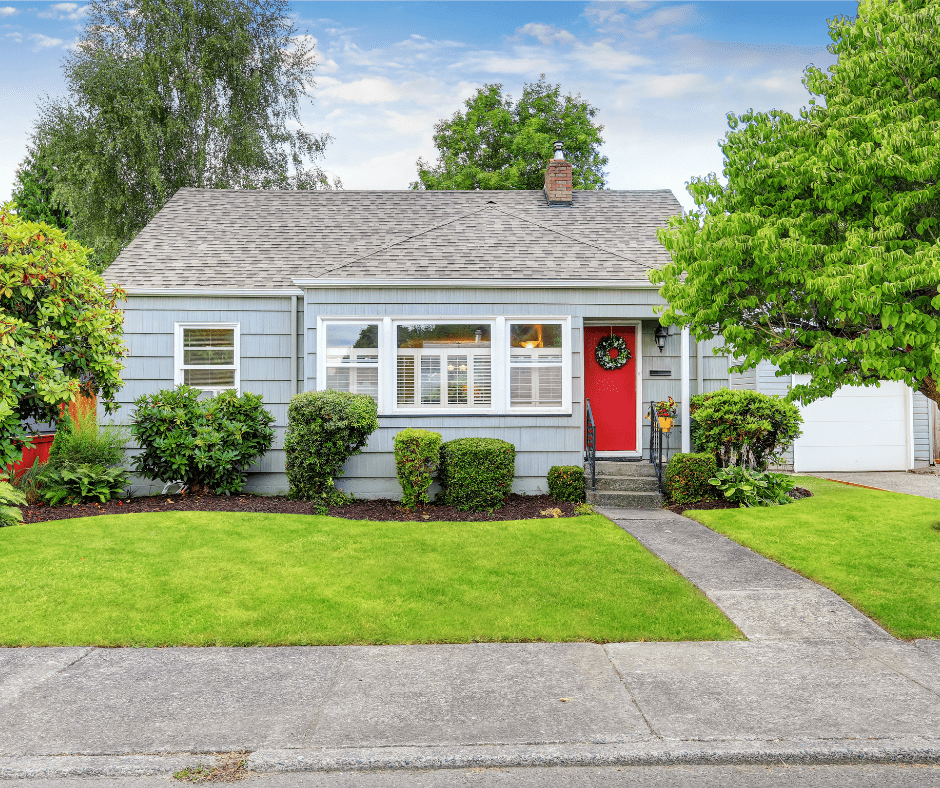
Even if you’re selling as-is, improving the home’s curb appeal can make a significant difference. Simple, inexpensive fixes like landscaping, cleaning up the yard, or painting the front door can make the property more attractive to buyers. These small touches can create a better first impression and show that while the home needs work, it has been well-maintained.
9. Work With a Real Estate Agent Experienced in As-Is Sales
Not all real estate agents specialize in selling homes as-is. It’s beneficial to work with someone who understands this market and knows how to price, market, and negotiate such sales. An experienced agent will also be familiar with investors and cash buyers, helping you close the deal faster.
Conclusion
Selling a house as-is when it needs repairs can be a practical and profitable solution if you approach it correctly. By pricing your home appropriately, being transparent about its condition, and marketing to the right buyers, you can sell your home without sinking money into costly repairs. Partnering with a knowledgeable real estate agent will also help ensure a smooth sale and get you the best possible price for your home in its current condition.